The bone graft
Khoury Bone Graft Technique
The Khoury Bone Graft Technique is one of the most reliable approaches for ridge augmentation in implant dentistry. By combining thin cortical bone plates with particulated bone, it creates a stable framework for regeneration and long-term implant success.
- Dates
- January 7–9, 2027Thursday to Saturday
- Location
- Honolulu, HawaiiThe 12th USA edition
- Schedule
- 8:00 am – 5:00 pmThree full days
- Credits
- 21 CE creditsHands-on cadaver lab included
LAST SPOTS!3-Day Intensive Program – 2 Days of Advanced Theory – 1 Full Day of Hands-On Human Cadaver Training
What Makes the Khoury Bone Graft Technique Unique?
Developed by Prof. Fouad Khoury, this technique is based on harvesting a cortical bone block from an intraoral donor site and splitting it into thin cortical plates. These plates are fixed to the recipient site and filled with autogenous particulate bone, creating a highly vascularized compartment that remodels into vital bone.
This biological approach promotes predictable regeneration while minimizing graft resorption, making it one of the most reliable bone grafting techniques in implant dentistry.
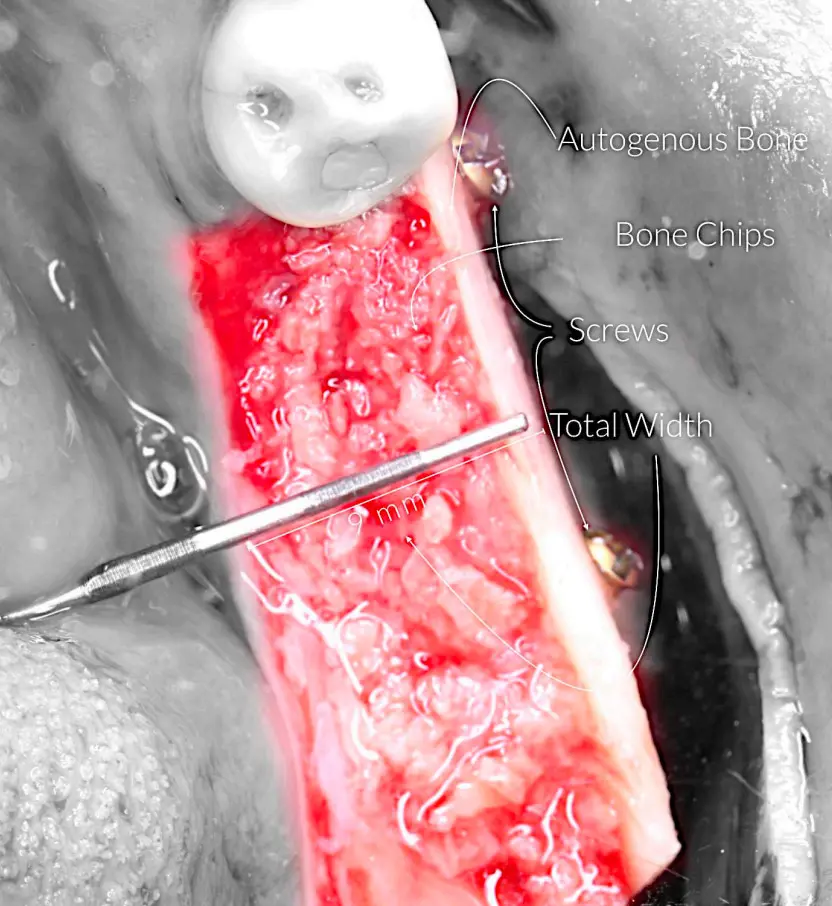
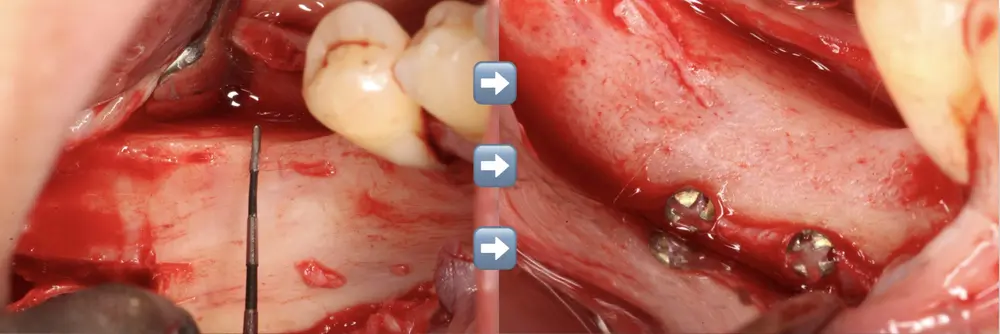
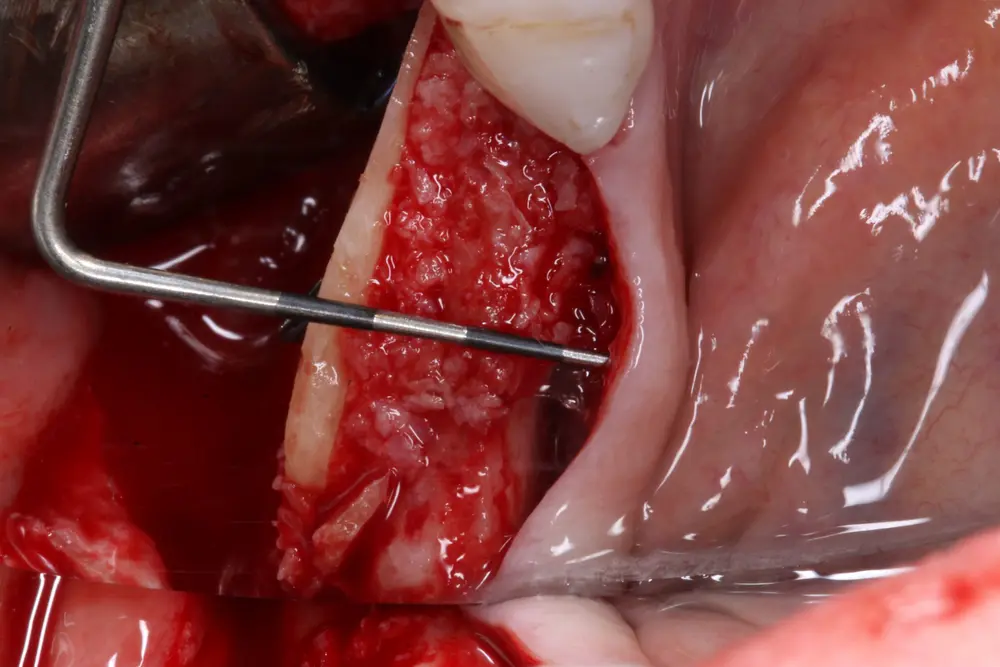
Step-by-Step Bone Graft Procedure
The Khoury Bone Graft Technique follows a predictable surgical protocol:
- Harvesting an autogenous bone block.
- Splitting the block into thin cortical plates.
- Fixation of the plates to create the graft walls.
- Filling the compartment with particulate bone chips.
- Healing and bone remodeling.
- Implant placement after approximately four months.
Benefits of the Khoury Approach
Compared with block grafts or GBR, the Khoury technique offers:
- Predictable bone integration.
- Long-term stability with minimal resorption.
- Effective results in horizontal and vertical augmentation.
- High implant survival rates in regenerated bone.
Clinical Indications
This augmentation technique is especially effective for:
- Narrow ridges needing horizontal augmentation.
- Localized vertical defects.
- Cases where bone grafting is essential before implant placement.
Comparison with Other Grafting Methods
- Block grafts: prone to partial resorption.
- GBR: depends on membranes, with risk of exposure.
- Khoury Technique: creates a natural scaffold with cortical plates, reducing complications and ensuring vital bone formation.
To better understand the biological principles behind this procedure, read our complete guide to the Khoury Technique.
Training in the USA
BoneCourse USA teaches the Khoury Bone Graft Technique as part of its Bone Reconstruction Course. Participants learn:
- Harvesting and shaping cortical plates.
- Fixation and stabilization techniques.
- Healing phases and long-term outcomes.
- Integration with soft tissue procedures.
Healing and Long-Term Stability
One of the greatest advantages of the Khoury Bone Graft Technique is its rapid revascularization. The regenerated bone becomes highly vital, allowing implant placement after approximately four months while maintaining excellent long-term volume stability with minimal graft resorption.
FAQs
Is it suitable for all cases?
Best for localized ridge defects.
Does it require autogenous bone?
Yes, cortical plates and grafts are intraoral.
What are the long-term results?
Studies show minimal resorption and high implant success rates.
Join our Bone Reconstruction Course and master the Khoury Bone Graft Technique to achieve predictable implant success.
Registration
Advance with Khoury Technique
Tell us a little about your experience and we will send you the complete programme, the schedule and the registration details for the Hawaii edition.
- DatesJanuary 7–9, 2027
- WhereHonolulu, Hawaii